The Impact of Soil Covering on Your Landscape
Caring for your garden involves more than just planting flowers. One method to improve both the look and health of your yard is by using soil coverings. This approach helps maintain a neat appearance while boosting plant growth. Investing time in landscaping can truly transform outdoor spaces, making them more inviting and sustainable. Let’s explore how this practice benefits your garden.
Boosting Plant Health Through Natural Insulation
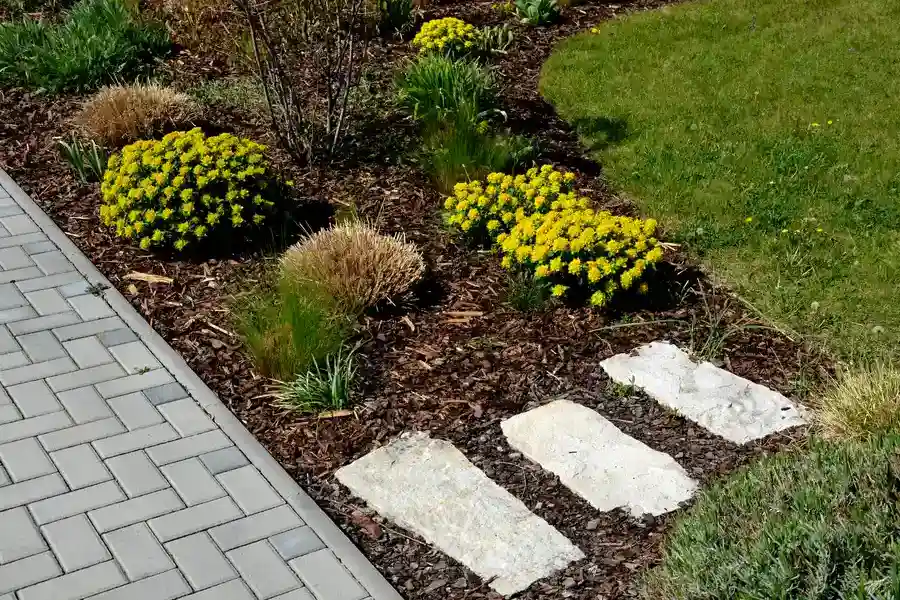
mulching acts as a natural insulator for plants. By covering the soil, it helps retain moisture and regulate temperature. This consistent environment supports healthy roots, leading to stronger plants. Additionally, less water evaporation means you spend less time watering. Overall, it’s a simple yet effective way to keep your garden thriving.
Enhancing Soil Quality for Better Growth
Beyond its protective role, mulching enriches soil quality. As organic materials break down, they release nutrients essential for plant growth. This process improves soil structure, promoting better root development. Over time, you will notice healthier plants with vibrant blooms, all thanks to a more fertile ground.
Aesthetic Improvements for Your Yard
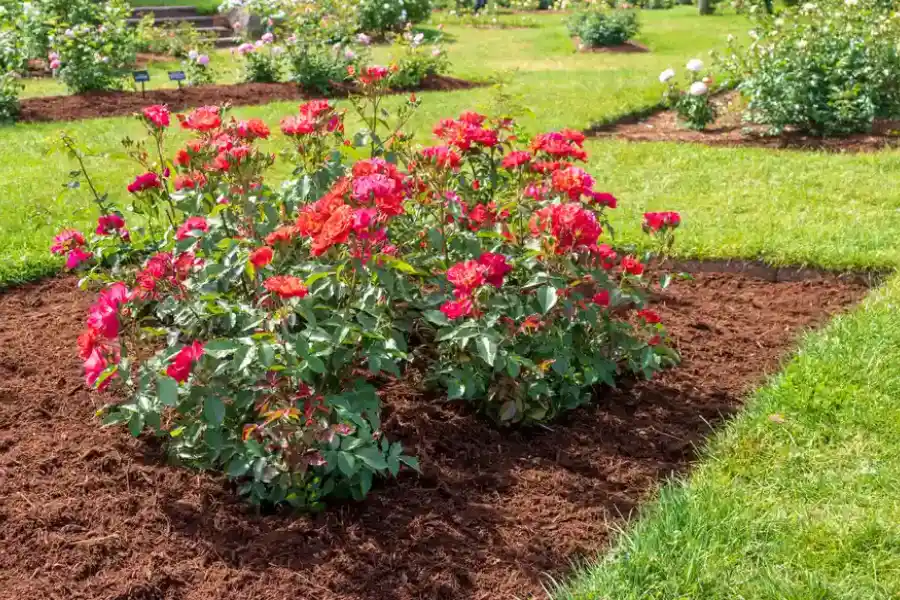
Using soil coverings also boosts the visual appeal of your landscape. Well-maintained mulch beds provide a clean backdrop for your plants, highlighting their beauty. Different types of coverings offer various colors and textures, allowing you to customize your garden’s style. A tidy yard not only makes your home more attractive but also increases property value.
Common Challenges With Ground Coverings
Despite the benefits, there are challenges when using soil coverings. One issue is the potential for pests nesting in the material. To avoid this, choose high-quality products that deter insects. Another concern is over-application, which can suffocate plants or cause excess moisture retention. Always apply the recommended thickness to ensure effectiveness without harming vegetation.
Choosing the Right Material for Your Garden
Selecting the appropriate type of covering depends on your specific needs. Organic options like wood chips or straw are ideal for enriching soil, while inorganic choices like stones last longer and require less maintenance. Evaluate factors such as climate and garden design before deciding on a material. The right choice will support both aesthetics and plant health.
Best Practices for Effective Application
- Clear weeds before applying any material
- Use a layer 2-3 inches thick for most coverings
- Keep material away from plant stems to prevent rot
- Replenish annually to maintain benefits
Cost Considerations When Planning Landscaping Projects
When planning landscaping projects, cost is always a consideration. Organic materials are typically cheaper upfront but may need frequent replenishment. In contrast, inorganic options might have higher initial costs but require less ongoing investment. Consider the long-term savings of reduced water use and improved plant health when evaluating expenses.
Your Path to a Beautiful and Healthy Garden
Improving curb appeal and supporting plant growth can be achieved with thoughtful landscaping practices. Located in Pensacola, FL, our team at Earth Scape specializes in providing top-notch solutions tailored to your needs. Call us today at (850) 232-7548 to learn more about enhancing your outdoor space. We look forward to helping you create a garden you’ll love.